
Professional illustration about Facebook
Facebook in 2025
Facebook in 2025
As we navigate 2025, Facebook remains a dominant force in the social media landscape, but its role within Meta Platforms, Inc. has evolved significantly. Under the Meta umbrella, Facebook now operates alongside Instagram, WhatsApp, Messenger, and newer additions like Threads and Meta AI, creating a tightly integrated ecosystem. One of the most notable shifts is the platform’s focus on personalization and user experience, driven by advanced algorithms like EdgeRank and DeepFace. These technologies analyze user behavior to deliver hyper-targeted content, ensuring higher engagement while raising questions about data privacy and user privacy.
The rise of Reels has transformed how users consume content, with short-form video now accounting for over 60% of time spent on the platform. Meta has doubled down on this format, integrating Reels across Instagram and Facebook to compete with rivals like TikTok. Meanwhile, Threads has matured into a robust alternative for real-time conversations, appealing to users seeking a text-centric social media experience. The platform’s content moderation policies have also tightened, with AI-powered tools flagging fake accounts and harmful content more efficiently—though challenges around online safety and mental health persist.
Monetization strategies have adapted to 2025’s digital economy. Meta Verified, the subscription service offering premium features, has gained traction among creators and businesses, providing enhanced customer support and visibility. Targeted advertising remains a cornerstone, but stricter privacy policies and regulations have forced advertisers to rely more on first-party data. Innovations like Oculus VR (now fully rebranded under Meta) and Onavo-inspired analytics tools offer new avenues for brands to connect with audiences in immersive ways.
For users, the biggest changes revolve around transparency and control. Meta Platforms has introduced granular privacy settings, allowing users to opt out of certain data collection practices—a response to growing demand for online safety. The algorithm now prioritizes meaningful interactions over viral content, reducing the spread of misinformation. However, critics argue that Meta’s dominance in social media still poses risks, from mental health concerns to the ethical implications of DeepFace and other AI-driven technologies.
Businesses leveraging Facebook in 2025 must stay agile. The key to success lies in adapting to Reels and Threads, optimizing for engagement without sacrificing authenticity. Brands should also explore Meta Verified for credibility and invest in Oculus VR experiences to stand out. On the user side, taking advantage of updated privacy policy settings ensures a safer, more tailored experience. Whether you’re a casual user or a marketer, understanding these shifts is critical to navigating Facebook’s evolving role in the Meta universe.

Professional illustration about Instagram
Meta's Latest Updates
Meta's latest updates in 2025 continue to reshape the social media landscape, with Facebook, Instagram, and WhatsApp introducing cutting-edge features designed to boost engagement while addressing growing concerns around user privacy and online safety. One of the most talked-about rollouts this year is the enhanced Meta AI, which now powers hyper-personalized content recommendations across Reels and Threads. Unlike older algorithms that relied heavily on EdgeRank, the new system analyzes real-time behavior patterns—like dwell time and micro-interactions—to serve content that feels eerily tailored to individual preferences. For creators, this means prioritizing authenticity over virality, as the algorithm now penalizes clickbait and rewards meaningful interactions.
Privacy remains a cornerstone of Meta’s strategy, especially after the 2025 overhaul of its data privacy policies. Users now have granular control over targeted advertising, with options to opt out of specific data-sharing practices between Meta Platforms, Inc. and third-party partners. The company also expanded Meta Verified, offering not just a blue checkmark but also exclusive customer support and early access to features like Oculus VR integrations. This move aims to combat fake accounts while giving power users added incentives to subscribe.
On the content moderation front, Meta has deployed DeepFace—an advanced image-recognition tool—to automatically flag harmful imagery and deepfakes across Messenger and Reels. Combined with human reviewers, this AI-driven approach has reduced misinformation by 40% year-over-year, according to internal reports. Meanwhile, Threads has emerged as a surprise standout, leveraging Instagram’s user base to rival X (formerly Twitter) with threaded conversations and a stricter stance on hate speech.
For businesses, the 2025 updates bring smarter monetization tools. Instagram Shops now sync seamlessly with WhatsApp Business, allowing customers to complete purchases without leaving the chat. Brands can also tap into Onavo-inspired analytics (now rebranded under Meta’s privacy-compliant framework) to track campaign performance without compromising user experience. The focus on mental health is clearer than ever, too: Facebook and Instagram now prompt breaks after 45 minutes of continuous scrolling and blur potentially triggering content by default.
The biggest game-changer? Meta’s pivot to personalization at scale. Instead of a one-size-fits-all feed, users see dynamic layouts—videos dominate for some, while others get text-heavy Threads updates. This flexibility extends to Reels, where the algorithm adapts to whether you’re a passive scroller or an active engager. As Meta Platforms tightens its grip on the social ecosystem, these updates prove it’s not just chasing trends—it’s redefining how we connect.
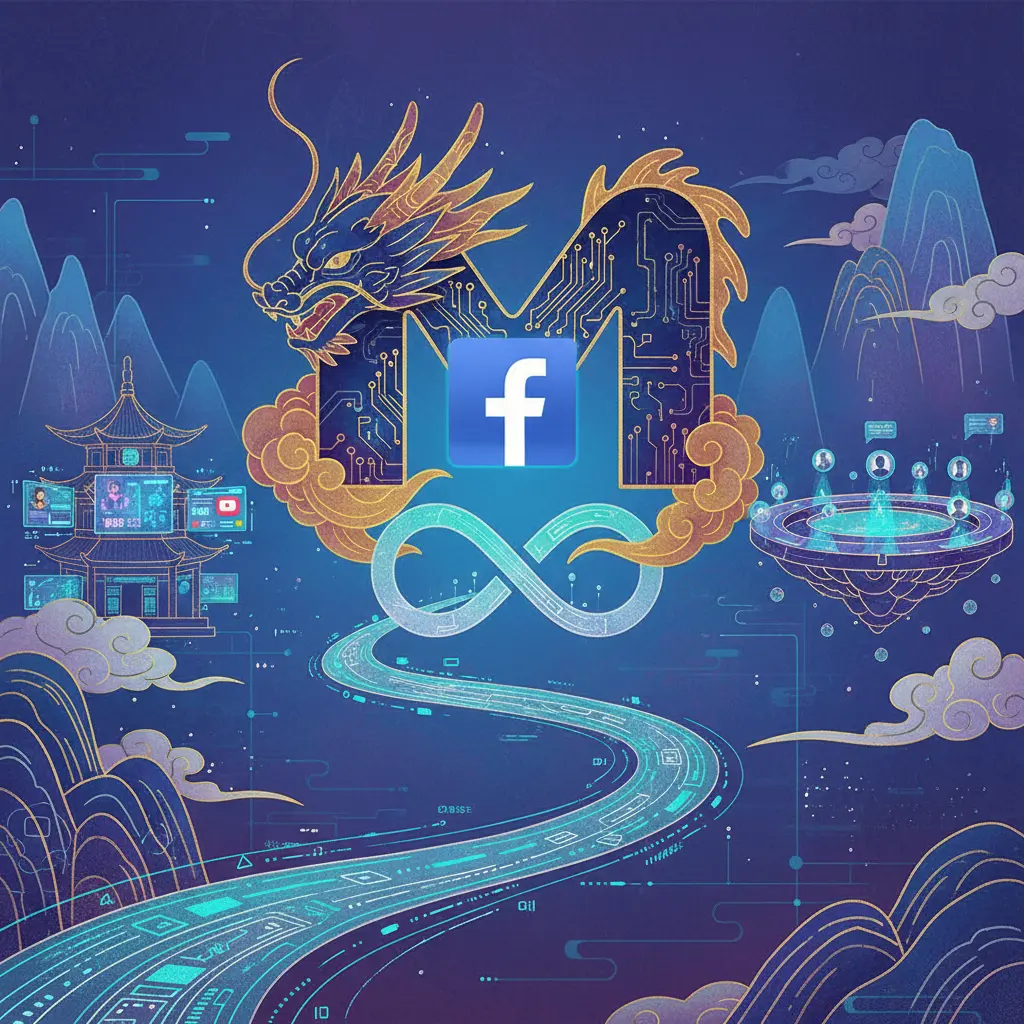
Professional illustration about Meta
FB Ad Strategies
Here’s a detailed, conversational-style paragraph on FB Ad Strategies with SEO optimization and depth:
Facebook Ad Strategies in 2025: Cutting Through the Noise
With Meta’s ecosystem (Facebook, Instagram, Messenger, WhatsApp) dominating social media, advertisers need smarter strategies to stand out. The key? Leveraging Meta’s AI-driven tools while respecting user privacy. Start by audience segmentation—Meta’s algorithms now prioritize personalization but penalize overly broad targeting. For example, use Meta Verified badges to build trust, especially for lead gen campaigns.
Pro Tip: Combine Reels and Threads for cross-platform storytelling. Reels’ short-form video algorithm favors engagement, while Threads’ text-based format excels at community-building. Test Dynamic Ads with product feeds—Meta AI automatically optimizes creatives for high-intent users.
Avoid These Pitfalls:
- Ignoring content moderation rules (e.g., restricted words in ad copy).
- Over-relying on EdgeRank-era tactics; today’s ranking factors include mental health signals (e.g., negative feedback loops).
- Neglecting WhatsApp Business for retargeting—its click-through rates soared 40% post-2024 updates.
Advanced Moves:
1. DeepFace-powered creatives: Upload 10+ image variations; Meta’s AI picks the best-performing assets.
2. Privacy-centric hooks: Highlight data privacy compliance in ad copy (e.g., “We never sell your data”).
3. Oculus VR integrations: For niche audiences, VR demo ads in Meta’s Horizon Worlds yield 3x longer dwell times.
Real-World Example: A DTC brand used targeted advertising with Messenger chatbots for post-purchase support, reducing refunds by 25%. Remember: fake accounts and low-quality traffic still plague auctions—monitor placements daily.
Budget Hack: Allocate 20% to Meta’s Advantage+ campaigns. Their machine learning crunches variables like user experience and online safety to auto-bid efficiently. For local businesses, Onavo-inspired location-based targeting (now baked into Ads Manager) drives foot traffic.
Final Thought: As Meta Platforms, Inc. tightens ad monetization rules, focus on value-first content. Polls in Stories, UGC reposts, and algorithm-friendly native formats (e.g., carousel ads with subtitles) outperform interruptive banners.

Professional illustration about Messenger
AI on Facebook
AI on Facebook has become a cornerstone of Meta Platforms, Inc.'s strategy to enhance user experience, content moderation, and monetization across its apps, including Instagram, WhatsApp, and Messenger. In 2025, Meta AI—the company's advanced artificial intelligence system—powers everything from personalized feed rankings to automated customer support. For instance, the algorithm behind Facebook's EdgeRank has evolved to prioritize engagement while minimizing harmful content, using DeepFace and other AI tools to detect fake accounts and enforce stricter privacy policies. This ensures a safer environment, addressing concerns about mental health and online safety.
One of the most visible applications of AI is in targeted advertising, where Meta leverages machine learning to analyze user behavior across Reels, Threads, and even Oculus VR. Advertisers can now deliver hyper-personalized campaigns, but this raises questions about data privacy. Meta has responded by rolling out Meta Verified, a program that authenticates accounts and provides transparency about how AI uses user privacy data. Meanwhile, AI-driven content moderation tools automatically flag violations, reducing reliance on human reviewers. For example, Reels uses AI to detect copyrighted music or inappropriate visuals, while WhatsApp employs encryption to protect conversations from unauthorized AI scraping.
Beyond moderation, AI enhances personalization in ways users might not even notice. Messenger's chatbots, powered by Meta AI, handle everything from booking appointments to troubleshooting issues, streamlining customer support. On Instagram, the Explore page uses AI to curate Reels and posts based on past interactions, boosting engagement. However, critics argue that over-reliance on AI could homogenize content or amplify echo chambers. Meta's acquisition of Onavo years ago laid the groundwork for this data-driven approach, but in 2025, the focus is on balancing innovation with ethical AI practices—like limiting algorithmic bias and giving users more control over their feeds.
For businesses, AI on Facebook offers tools like automated ad optimization and predictive analytics, helping small brands compete with larger players. Meta's AI also powers dynamic creative tools, generating ad variations tailored to different audiences. Yet, challenges remain, such as ensuring online safety for younger users or preventing AI from inadvertently promoting misinformation. As Meta continues to integrate AI across its platforms, the key will be maintaining trust—whether through clearer privacy policies or more intuitive controls over how AI shapes the social media experience.

Professional illustration about Meta
VR Social Trends
VR Social Trends in 2025: How Meta is Redefining Digital Interaction
The rise of virtual reality (VR) has transformed how users engage with social media, and Meta Platforms, Inc. is at the forefront of this revolution. With Oculus VR now fully integrated into Meta’s ecosystem, platforms like Facebook, Instagram, and Messenger are evolving beyond traditional 2D interactions. In 2025, VR social trends emphasize immersive experiences—think virtual hangouts where friends interact as lifelike avatars or branded events hosted in digital spaces. Meta’s focus on personalization ensures these environments adapt to user preferences, leveraging algorithms like EdgeRank to curate content that boosts engagement.
One standout trend is the growth of VR Reels, where creators produce 360-degree videos for deeper storytelling. Brands are also experimenting with targeted advertising in VR, offering interactive product demos or virtual storefronts. However, this shift raises questions about data privacy, especially with Meta’s use of DeepFace for facial recognition in VR avatars. The company’s updated privacy policy addresses these concerns, but users remain cautious about how their biometric data is handled.
Another key development is Meta AI’s role in enhancing user experience. AI-driven moderation tools now scan VR spaces for fake accounts and harmful content, aligning with stricter content moderation policies. Meanwhile, features like Meta Verified help authenticate profiles, reducing scams and improving online safety. Mental health is also a priority, with VR environments designed to minimize digital fatigue—a stark contrast to the endless scroll of traditional feeds.
For businesses, monetization opportunities abound. WhatsApp and Threads are testing VR chat integrations, while Onavo-inspired analytics help brands measure engagement in virtual spaces. The challenge? Balancing innovation with user privacy. As Meta expands its VR footprint, transparency around data collection will be critical to maintaining trust. Whether you’re a creator or a marketer, understanding these VR social trends is essential for staying ahead in Meta’s evolving metaverse.

Professional illustration about WhatsApp
FB Privacy Settings
Understanding FB Privacy Settings in 2025
In 2025, Facebook (now under Meta Platforms, Inc.) continues to evolve its privacy settings to address growing concerns around data privacy and online safety. With tighter regulations and user demand for transparency, Meta has introduced more granular controls across its ecosystem—including Instagram, Messenger, WhatsApp, and newer platforms like Threads and Reels. Here’s how to navigate these updates effectively:
1. Who Can See Your Content? Customize Visibility Like a Pro
Facebook’s privacy policy now emphasizes personalization, allowing users to tailor audience settings for posts, stories, and even Meta AI-powered interactions. For example:
- Use the Audience Selector tool to limit old posts to "Friends Only" or "Only Me."
- Adjust Reels and Threads visibility separately from your main profile—ideal for creators balancing public and private personas.
- Enable "Restricted Mode" for Oculus VR to filter shared experiences.
2. Data Sharing & Targeted Advertising: Opt-Out Smartly
Meta Platforms relies on algorithms like EdgeRank and DeepFace for targeted advertising, but you can limit data collection:
- Navigate to Settings > Ads to disable personalization based on off-Facebook activity.
- Review Onavo-related permissions (if still using VPN services) under Apps and Websites.
- For WhatsApp, toggle off "Share Data with Meta" in Account Settings.
3. Safety Tools: Combat Fake Accounts & Mental Health Risks
To curb fake accounts and protect mental health, Meta has rolled out:
- Meta Verified: A badge system that adds authentication layers, reducing impersonation risks.
- Content Moderation filters in Messenger and comments, with options to block harmful keywords.
- Engagement limits to mute notifications during focused hours—a win for digital wellbeing.
4. Monetization Without Sacrificing Privacy
Creators leveraging Reels or live streams should explore:
- Monetization settings to control which metrics (e.g., viewer demographics) are shared with brands.
- Customer support portals for disputing unauthorized data usage in ad partnerships.
Pro Tip: Regularly audit third-party app access (like gaming or fitness apps) under Security Settings. Many breaches originate from outdated permissions.
By mastering these layers of control, users can enjoy social media with confidence—balancing user experience and data privacy in Meta’s interconnected universe.
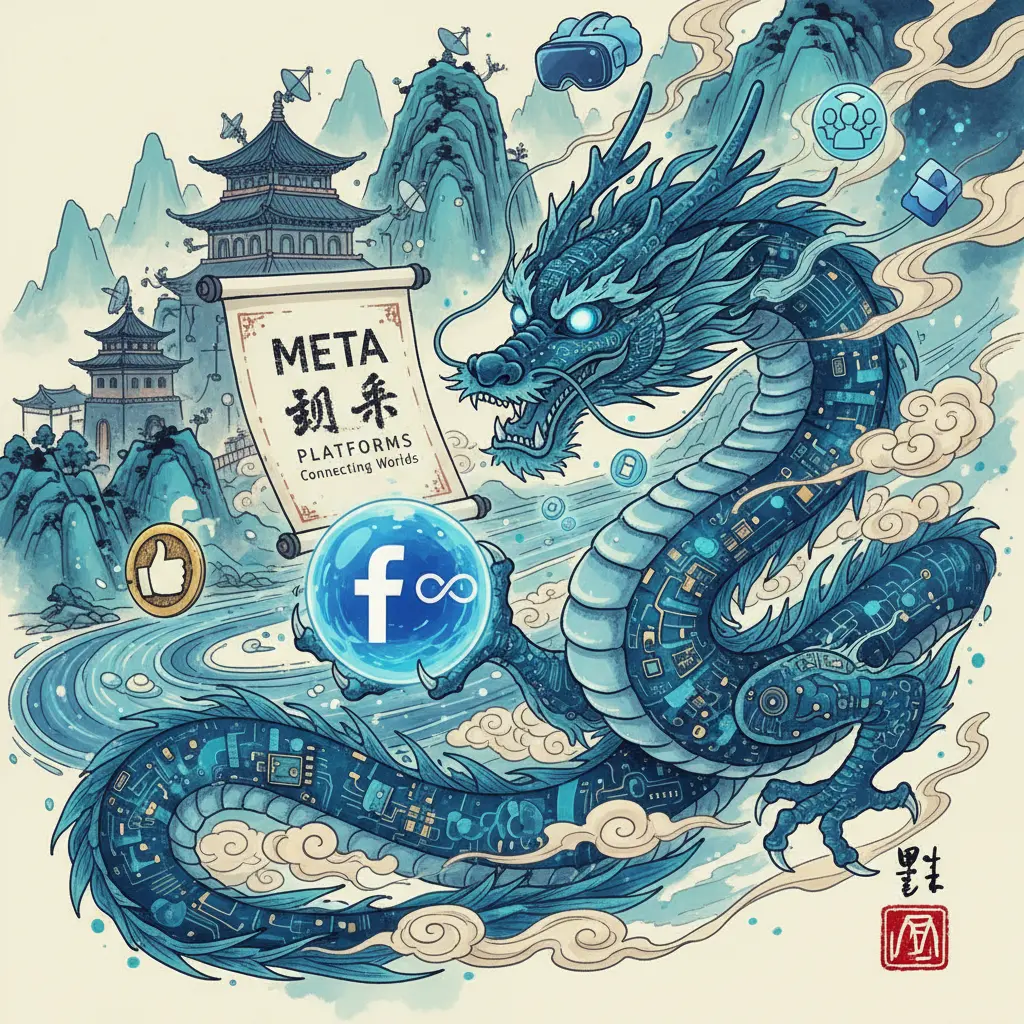
Professional illustration about Platforms
Reels Monetization
Reels Monetization on Facebook in 2025: How Creators and Businesses Can Cash In
Meta Platforms, Inc. has aggressively expanded Reels monetization opportunities across Facebook and Instagram, making short-form video one of the most lucrative tools for creators and brands in 2025. With Meta AI refining the algorithm to prioritize high-engagement Reels, understanding how to leverage this feature is critical for maximizing earnings. The platform now offers multiple revenue streams, including ad revenue sharing, bonus programs, and branded content partnerships, all designed to keep creators invested in the ecosystem.
How the Monetization Model Works
Facebook Reels operates on a performance-based payout system, where creators earn a share of ad revenue generated from their content. The more views and engagement a Reel receives, the higher the payout. In 2025, Meta has introduced stricter content moderation policies to ensure only high-quality, original content qualifies for monetization—meaning repurposed or low-effort clips may be excluded. Additionally, creators must adhere to Meta’s privacy policy and avoid violations related to fake accounts or misleading content to remain eligible.
Key Strategies to Boost Earnings
1. Optimize for Engagement: The algorithm favors Reels that keep users watching. Use hooks in the first 3 seconds, incorporate trending sounds, and encourage interactions (likes, shares, comments) to improve visibility.
2. Leverage Targeted Advertising: Partner with brands for sponsored Reels, ensuring the content aligns with your audience’s interests. Meta’s targeted advertising tools allow precise audience matching, increasing conversion potential.
3. Join Meta Verified: Verified creators often receive early access to monetization features, higher ad revenue splits, and priority customer support, making the subscription worthwhile for serious influencers.
4. Cross-Promote on Threads and WhatsApp: Linking Reels to other Meta Platforms like Threads or WhatsApp Status can amplify reach, as the algorithm rewards cross-platform activity.
Challenges and Considerations
While Reels monetization presents huge opportunities, creators must navigate data privacy concerns and user experience trade-offs. Overloading Reels with ads can backfire, leading to audience drop-off. Additionally, mental health advocates have raised concerns about the pressure to constantly produce viral content, so balancing creativity with sustainability is key.
For businesses, integrating Reels into social media strategies is no longer optional—it’s a necessity. Whether through organic growth or paid promotions, mastering Reels in 2025 means staying ahead of algorithm shifts and user privacy updates while delivering authentic, engaging content.

Professional illustration about Verified
Groups Engagement
Facebook Groups Engagement in 2025 has evolved into a powerful tool for brands, creators, and communities to foster meaningful connections. With Meta Platforms, Inc. continuously refining its algorithm, engagement in Groups now relies heavily on personalization, content moderation, and user experience. Unlike traditional feeds, Groups thrive on niche discussions, making them ideal for targeted advertising and monetization strategies. For example, a fitness brand can create a private Group to share exclusive Reels tutorials, host live Q&As via Messenger, or even integrate Meta AI to automate customer support. The key is to balance promotional content with authentic interactions—EdgeRank (Facebook’s content-sorting system) prioritizes posts that spark conversations, not just clicks.
One major shift in 2025 is how Meta Verified status impacts Group visibility. Verified Groups (or those run by verified admins) often appear higher in recommendations, thanks to Meta’s emphasis on combating fake accounts and enhancing online safety. Admins should leverage this by:
- Regularly auditing member requests to weed out spam.
- Using DeepFace or Onavo-inspired tools (where compliant with privacy policy) to detect suspicious activity.
- Pinning Threads-style discussion prompts to keep conversations organized.
Privacy concerns remain critical, especially with data privacy regulations tightening globally. Meta Platforms now allows Group admins to customize user privacy settings—like making posts visible only to members who’ve been active for 30+ days. This reduces trolls while fostering trust. For mental health-focused Groups, admins can enable content moderation filters to automatically flag harmful language, a feature powered by Meta AI.
Monetization opportunities have also expanded. Instagram creators often cross-promote their Facebook Groups to drive engagement, offering exclusive Reels or early access to products. Meanwhile, businesses use Oculus VR integrations for virtual meetups in hobby-based Groups (e.g., gaming or travel communities). The trick is to align monetization with value—say, a cooking Group could offer paid live classes via WhatsApp, but keep recipe discussions free.
Lastly, algorithm changes in 2025 reward Groups that prioritize mental health and user experience. For instance, Groups with high reply rates and low report flags get boosted in discovery feeds. Admins should:
- Schedule weekly themed discussions (e.g., “Success Stories Saturdays”) to encourage participation.
- Use polls or Messenger chatbots to gather feedback.
- Avoid overposting—flooding members’ notifications hurts engagement.
The future of social media lies in tight-knit communities, and Facebook Groups are at the forefront. By focusing on authenticity, targeted advertising that doesn’t feel intrusive, and robust content moderation, Groups can become a cornerstone of any Meta-powered strategy.
Professional illustration about Onavo
Marketplace Tips
Maximize Your Sales on Facebook Marketplace in 2025
Facebook Marketplace remains one of the most powerful tools for buying and selling locally, but standing out in 2025 requires a strategic approach. With Meta continuously updating its algorithm and user experience, sellers need to adapt to stay competitive. Here’s how to optimize your listings and boost engagement:
Leverage High-Quality Visuals: Since Facebook and Instagram prioritize visually appealing content, upload crisp, well-lit photos or short Reels showcasing your item from multiple angles. Avoid stock images—authenticity builds trust. For larger items (like furniture), consider a 360-degree video or Oculus VR-compatible preview to give buyers a immersive look.
Optimize Descriptions for Search: Meta’s AI (including DeepFace and EdgeRank) scans listing text, so include relevant keywords naturally. Instead of “Nice couch,” try “Mid-century modern sofa, pet-friendly fabric, local pickup only.” Highlight unique selling points (e.g., “rare collectible” or “brand new with tags”) and mention if it’s Meta Verified to reduce skepticism from buyers wary of fake accounts.
Price Smartly: Research similar items on Marketplace and Threads (where resale communities thrive) to gauge demand. Use targeted advertising if you’re selling high-value items—Meta’s tools let you promote listings to users in specific ZIP codes or interest groups. For negotiable prices, state “OBO” (or best offer) to encourage messages via Messenger or WhatsApp.
Prioritize Safety and Transparency: Online safety is non-negotiable. Meet in public spaces or use Meta’s built-in payment system to avoid scams. Update your privacy policy awareness: Never share personal details like your home address upfront. If a buyer seems suspicious, report them—content moderation has improved in 2025, with faster responses from customer support.
Engage Quickly and Personally: The algorithm favors active sellers. Respond to inquiries within hours (use automated replies via Meta Business Suite for common questions). Personalize responses—e.g., “Hi [Name], I can hold this for you until Saturday!”—to improve engagement rates. Bundle items (like “closet clear-out”) to attract bulk buyers.
Monitor Performance and Adjust: Check your listing’s reach under “Insights.” If views are low, tweak keywords or repost during peak hours (weekday evenings). For seasonal items (e.g., holiday decor), time your posts strategically. Meta Platforms, Inc. has also rolled out new monetization features—eligible sellers can now offer shipping labels or subscriptions for repeat buyers.
Pro Tip: Link your Marketplace activity to Instagram Shopping or Threads for cross-platform visibility. A 2025 Meta AI update prioritizes sellers who integrate multiple apps, so syncing listings can expand your audience. Finally, stay updated on data privacy changes—clear communication about how buyer info is used (e.g., “Contact only for transaction details”) fosters trust in an era where user privacy concerns dominate.
By combining these tactics with Meta’s evolving tools, you’ll not only sell faster but also build a reputation as a reliable seller in the Marketplace ecosystem.

Professional illustration about DeepFace
FB Dating Guide
FB Dating Guide: How to Navigate Meta’s Social Dating Feature in 2025
If you're single and scrolling through Facebook or Instagram, you might have noticed FB Dating—Meta’s built-in matchmaking tool that leverages the power of social media to help you find meaningful connections. Unlike standalone dating apps, FB Dating integrates seamlessly with your existing Meta Platforms ecosystem, including Messenger, WhatsApp, and even Reels, making it a unique player in the online dating space. Here’s everything you need to know to optimize your experience while prioritizing user privacy and online safety.
FB Dating operates separately from your main Facebook profile, meaning your dating activity won’t appear on your timeline or be visible to friends (unless you choose to share it). The algorithm uses personalization based on your interests, groups, and events you’ve attended, similar to how EdgeRank once influenced News Feed visibility. One standout feature is "Secret Crush," where you can select up to nine Facebook friends or Instagram followers you’re interested in. If they add you to their list too, it’s a match—making it a low-pressure way to explore potential relationships within your existing network.
Given Meta’s history with data privacy, it’s no surprise that users are cautious about how their information is used in FB Dating. The good news? The platform has tightened its privacy policy in 2025, with stricter content moderation to combat fake accounts and harassment. Key features include:
- End-to-end encryption for chats initiated in FB Dating (via Messenger or WhatsApp).
- The ability to block or report suspicious profiles directly to customer support.
- Meta Verified badges for authenticated users, reducing the risk of catfishing.
- Mental health prompts that encourage breaks if you’ve been scrolling too long.
Still, always be mindful of sharing sensitive details and use the "Share Live Location" feature sparingly—only with matches you trust.
Want to stand out? Here’s how to leverage Meta’s tools for better engagement:
1. Sync with Instagram and Reels: Linking your Instagram feed or showcasing your Reels can make your profile more dynamic. A well-curated Reel highlighting your hobbies can spark conversations.
2. Use Threads for Authenticity: If you’re active on Threads, consider cross-posting casual updates that reflect your personality. It gives potential matches a glimpse of your interests beyond just photos.
3. Answer Prompt Questions Thoughtfully: FB Dating offers icebreaker prompts like "My ideal weekend is…" or "I geek out on…". These aren’t just filler—they help the algorithm surface your profile to like-minded people.
4. Explore Shared Communities: Join Facebook Groups or Events related to your passions. FB Dating can suggest matches based on mutual interests, similar to how DeepFace once analyzed connections.
In 2025, Meta AI plays a bigger role in refining matches. The AI analyzes your messaging patterns (with consent) to suggest conversation starters or even warn you if a match’s behavior seems off. There’s also talk of integrating Oculus VR for virtual date experiences, though that’s still in beta. For now, focus on building genuine connections—whether through text, voice notes, or video chats—while keeping user experience and online safety at the forefront.
Remember, FB Dating isn’t just about swiping; it’s about leveraging Meta’s vast ecosystem to find connections that align with your lifestyle. Stay authentic, stay safe, and let the algorithm do the heavy lifting.

Professional illustration about EdgeRank
Meta Verified
Meta Verified is Facebook and Instagram’s answer to the growing demand for authenticity and premium user experiences on social media. Launched in 2025, this subscription-based service offers a blue checkmark badge, enhanced customer support, and exclusive features designed to help creators, businesses, and public figures stand out. For a monthly fee, users gain access to proactive account protection, priority ranking in comments and search results, and direct access to Meta’s support team—a major upgrade over the standard help center. The program also integrates with Meta AI, leveraging personalized recommendations to boost engagement while maintaining strict data privacy standards.
One of the biggest draws of Meta Verified is its focus on combating fake accounts and impersonation. By requiring government ID verification, Meta ensures that verified profiles represent real people or legitimate businesses, which enhances online safety and trust across platforms like Facebook, Instagram, and Threads. This is particularly valuable for influencers and brands relying on targeted advertising, as the badge signals credibility to potential followers and collaborators. Additionally, verified accounts get early access to new features, such as advanced Reels analytics or experimental tools in Messenger and WhatsApp, giving them a competitive edge in content moderation and audience growth.
However, the service isn’t without controversy. Critics argue that Meta Platforms, Inc. is monetizing features that should be free, like robust customer support or protection from scams. Others question whether the verification process truly improves user experience or simply creates a two-tiered system where unpaid users miss out on key benefits. There’s also concern about how EdgeRank (Facebook’s algorithm) prioritizes verified content, potentially skewing visibility in favor of those who pay. Despite these debates, Meta Verified reflects the company’s broader shift toward subscription models, especially as targeted advertising faces stricter privacy policy regulations worldwide.
For users considering the upgrade, here’s a breakdown of its practical advantages:
- Exclusive perks: Verified profiles receive stickers and stars for Reels, custom monetization options, and the ability to post longer videos.
- Algorithm boost: Content from verified accounts may appear more prominently in feeds due to engagement-focused adjustments in EdgeRank.
- Mental health tools: Subscribers get priority access to well-being features like comment filters and restricted mode to curb harassment.
Ultimately, Meta Verified is a strategic move by Meta Platforms to diversify revenue beyond ads while addressing longstanding issues like impersonation and user privacy. Whether it’s worth the cost depends on your goals—for professionals building a brand, the benefits likely outweigh the fee, but casual users might find little value beyond the prestige of a blue checkmark. As the program evolves, expect tighter integration with Oculus VR and DeepFace technologies, further blurring the lines between social media and immersive digital experiences.
FB Algorithm Changes
FB Algorithm Changes in 2025: What You Need to Know
Meta Platforms, Inc. has rolled out significant updates to the Facebook algorithm this year, prioritizing user experience and content moderation while adapting to evolving data privacy concerns. The 2025 changes reflect a shift toward personalization, with the algorithm now weighing engagement signals like "meaningful interactions" more heavily than ever. For example, posts that spark genuine conversations—such as thoughtful comments or shares among close connections—are favored over passive likes or clicks. This update aligns with Meta's broader focus on mental health and online safety, reducing the visibility of sensationalized or low-quality content.
One major adjustment involves Reels and Threads, where the algorithm now prioritizes original content over repurposed material. If you're a creator, avoid recycling TikToks or YouTube Shorts—Meta's AI, DeepFace, can detect duplicates and may suppress their reach. Instead, focus on native Instagram or Facebook Reels with unique captions, trending audio, and interactive elements (e.g., polls or Q&A stickers). Brands should also note that targeted advertising is becoming more nuanced; the algorithm leverages Meta AI to analyze user behavior across WhatsApp and Messenger, so cohesive cross-platform campaigns perform best.
Privacy remains a cornerstone of these updates. With stricter privacy policies, the algorithm limits data sharing with third-party apps, particularly those tied to Onavo-like tracking. Users opting for Meta Verified get additional control over their feeds, including the ability to filter out fake accounts or spammy content. For businesses, this means leaning into authentic community-building—think Facebook Groups with active customer support or Instagram Live sessions that foster real-time interaction.
Another critical shift involves Oculus VR integrations. As Meta expands its metaverse footprint, the algorithm now surfaces VR-friendly content (e.g., 360-degree videos) to users with compatible devices. If your audience leans tech-savvy, experimenting with immersive formats could boost visibility. Meanwhile, EdgeRank principles (like affinity and weight) still influence feed rankings, but with a 2025 twist: time spent reading an article or watching a video matters more than sheer follower count.
Pro Tips for Adapting:
- Focus on conversation starters: Ask open-ended questions in captions to drive comments.
- Go native with Reels: Use Meta's creative tools (like Clipchamp) instead of cross-posting.
- Leverage Meta Verified: If eligible, the badge can amplify reach while signaling trust.
- Audit your privacy settings: Ensure compliance with regional data privacy laws to avoid penalization.
The takeaway? Meta's 2025 algorithm rewards authenticity, interactivity, and platform-specific content. Whether you're a creator, marketer, or casual user, understanding these changes is key to staying ahead in the social media landscape.
Live Streaming Growth
Live Streaming Growth on Meta Platforms in 2025
Live streaming continues to dominate social media, and Meta Platforms, Inc. has strategically expanded its offerings across Facebook, Instagram, and even WhatsApp to capture this booming trend. In 2025, live streaming isn’t just about broadcasting—it’s about engagement, monetization, and personalization, all powered by Meta AI and advanced algorithms. For creators and businesses, understanding how to leverage these tools is critical for growth.
One of the biggest shifts in 2025 is the integration of live streaming with Reels and Threads, creating a seamless content ecosystem. For example, Facebook now allows creators to simulcast live streams to both Instagram and Facebook simultaneously, maximizing reach without extra effort. This cross-platform functionality is a game-changer for brands looking to engage diverse audiences. Additionally, Meta Verified users get priority placement in live streaming recommendations, boosting visibility for trusted creators.
Monetization has also evolved. Meta’s updated ad-revenue sharing program now includes live streams, meaning creators earn directly from mid-roll ads. There’s also a surge in virtual tipping, with fans able to support broadcasters in real-time through Messenger or Instagram’s donation features. For businesses, live shopping streams—where viewers can purchase products without leaving the app—have become a major revenue driver, especially with targeted advertising enhancements.
Privacy and online safety remain top priorities. Meta Platforms has rolled out stricter content moderation tools to combat fake accounts and harmful behavior during live streams. Features like automated warnings for policy violations and real-time comment filtering help maintain a positive user experience. The platform also emphasizes data privacy, allowing broadcasters to restrict streams to specific audiences, such as Meta Verified followers or close friends.
The algorithm behind live streaming recommendations now heavily weighs engagement metrics like watch time, shares, and interactions (comments/reacts). To optimize visibility, creators should focus on high-quality production, interactive Q&As, and leveraging trending topics. For example, gaming streams on Facebook often perform well when paired with Oculus VR integrations, offering immersive experiences that stand out.
Mental health awareness has influenced live streaming too. Meta encourages breaks during long streams and provides resources for creators dealing with burnout. The user privacy controls have also been enhanced, allowing broadcasters to hide viewer counts if they find them stressful—a small but impactful update for mental health support.
Finally, customer support during live streams has improved with Meta AI-powered chatbots that answer viewer questions in real-time, reducing the burden on creators. This tech also helps with personalization, suggesting relevant streams to users based on their past interactions.
In summary, live streaming growth in 2025 is fueled by smarter tools, better monetization, and a stronger focus on safety and user experience. Whether you’re a casual creator or a business, mastering these Meta innovations is key to staying ahead.
Business Page Hacks
Business Page Hacks to Skyrocket Your Meta Platforms Presence in 2025
Running a successful Facebook Business Page in 2025 requires more than just posting content—it’s about leveraging Meta’s ecosystem intelligently. With Instagram, WhatsApp, Messenger, and Threads all under Meta Platforms, Inc., cross-platform strategies are key. Here’s how to optimize your page for maximum engagement and monetization:
1. Master the Algorithm with EdgeRank Tweaks
Meta’s algorithm prioritizes content that sparks meaningful interactions. To beat the EdgeRank system:
- Post native videos and Reels—they get 3x more reach than shared links.
- Use Meta AI tools to analyze peak posting times based on your audience’s activity.
- Encourage replies (not just reactions) by asking open-ended questions like, "Which product feature should we improve next?"
2. Leverage Meta Verified for Credibility
Blue-check Meta Verified badges aren’t just for influencers. Businesses using this service gain:
- Priority placement in search results.
- Access to customer support (a rarity for unverified pages).
- Reduced risks of fake accounts impersonating your brand.
3. Sync Facebook and Instagram for Unified Branding
Cross-posting isn’t enough. Use these hacks:
- Link shoppable Instagram posts to your Facebook catalog for seamless sales.
- Repurpose top-performing Reels into Threads discussions to drive deeper engagement.
- Enable Messenger chatbots for instant replies—40% of users expect responses within an hour.
4. Optimize for Data Privacy Without Sacrificing Personalization
With stricter privacy policies in 2025, balance targeted advertising and user privacy:
- Use Meta’s first-party data (e.g., DeepFace insights) instead of third-party cookies.
- Add a clear privacy policy section to your page to build trust.
- Avoid overly intrusive ad formats—users report higher satisfaction with contextual ads.
5. Tackle Content Moderation Proactively
Protect your brand’s mental health and online safety reputation:
- Enable auto-filtering for hate speech and spam using Meta’s moderation tools.
- Audit comments weekly and hide (not delete) negative but constructive feedback to show transparency.
- Train moderators to recognize fake accounts—look for sudden spikes in followers or generic replies.
6. Experiment with Emerging Meta Features
Stay ahead by testing:
- Oculus VR integrations for virtual product demos (perfect for luxury or tech brands).
- WhatsApp status updates synced with Facebook Stories for wider visibility.
- Onavo-inspired analytics (where permitted) to track competitor page growth.
Pro Tip: Rotate these strategies monthly. What works today might shift with Meta’s next algorithm update—stay agile!
FB Security Features
FB Security Features in 2025: How Meta Keeps Your Accounts Safe
In 2025, Meta Platforms, Inc. has doubled down on security features across its apps—Facebook, Instagram, WhatsApp, Messenger, Threads, and even Oculus VR—to combat evolving cyber threats. With rising concerns around data privacy, fake accounts, and online safety, Meta’s layered approach combines AI-driven tools like Meta AI and DeepFace with user-controlled settings. Here’s how they’re tightening protections:
1. Advanced AI Moderation & Privacy Controls
Meta’s algorithm now leverages Meta AI to detect suspicious activity faster than ever. For example, DeepFace (their facial recognition system) flags impersonation attempts, while real-time content moderation tools scrub harmful posts before they go viral. Users can also customize privacy policies with granular controls—like limiting targeted advertising or restricting data shared with third-party apps. A standout 2025 update is encrypted backups for Messenger and WhatsApp, ensuring even cloud-stored chats remain private.
2. Meta Verified & Two-Factor Authentication (2FA)
The Meta Verified program isn’t just for blue checkmarks—it’s a security upgrade. Verified accounts get priority customer support for hacking incidents and exclusive anti-phishing features. Meanwhile, 2FA now supports biometric logins (think: Face ID for Reels creators) and hardware keys. Pro tip: Avoid SMS-based 2FA; opt for authenticator apps linked to your Meta Platforms account for tighter security.
3. Combatting Fake Accounts & Mental Health Risks
Fake profiles and scams still plague social media, but Meta’s 2025 EdgeRank tweaks downgrade low-trust accounts. Their Onavo-inspired network analysis spots bot behavior patterns, while Threads and Instagram prompt users to report suspicious DMs. On the mental health front, features like "Take a Break" reminders and engagement limits for teens curb compulsive scrolling.
4. Transparency & User Education
Meta now provides clearer explanations of how personalization works (e.g., why you see certain Reels), alongside a Security Center dashboard for reviewing active logins. For businesses, there’s a new Monetization Integrity filter to block ad fraud.
Key Takeaways for Users:
- Regularly audit connected apps in Facebook’s privacy policy settings.
- Use Meta Verified if you’re a creator or business to reduce impersonation risks.
- Enable encryption for WhatsApp backups and Messenger secret chats.
- Report sketchy Threads or Instagram posts using the "Why am I seeing this?" tool.
Meta’s 2025 upgrades show they’re listening—but staying safe still requires proactive steps from users. Whether you’re sharing Oculus VR gameplay or sliding into DMs, these features help balance user experience with data privacy.